Hi, I’m Naufal Aditya Juniarahman, an aspiring Electrical Engineer with a passion for control systems, automation, and technical drafting. Currently completing my Bachelor of Engineering in Electrical Engineering at Gadjah Mada University, I have hands-on experience in both mechanical fabrication and electrical system design.
With a background in automation engineering from SMK Negeri 1 Cimahi, I have competed in and won technical competitions, proving my skills in PLC programming and electrical installations. My experience includes working as a Mechanical Intern at PT Lumbung Jaya International and as a Drafter at PT Polylamina Teknologi Indonesia, where I contributed to precision manufacturing, CAM processes, and control system simulations.
I am proficient in Python, C, MATLAB, and simulation tools like PLECS and Typhoon HIL, allowing me to tackle engineering challenges with efficiency. I also hold certifications in PLECS training, digital marketing, and network construction.
I specialize in circuit design & simulation, Python machine learning, 3D drafting, and IoT programming, delivering efficient, precise, and innovative solutions. With expertise in MATLAB, PLECS, Python, CAD, and microcontrollers (Arduino, ESP32), I design, analyze, and optimize systems for automation, AI, and smart technology. Whether it’s developing intelligent models, creating technical schematics, or building IoT solutions, I bring technical excellence and problem-solving to every project.
I design and simulate efficient electrical circuits using MATLAB, PLECS, SPICE, and Typhoon HIL, ensuring optimal performance and reliability.
I develop machine learning models in Python for data analysis, automation, and AI-driven applications.
I create precise 3D models and technical drawings using CAD and CAM tools, optimizing designs for manufacturing.
I program IoT devices and microcontrollers (Arduino, ESP32) to develop smart, connected solutions for automation and real-world applications.
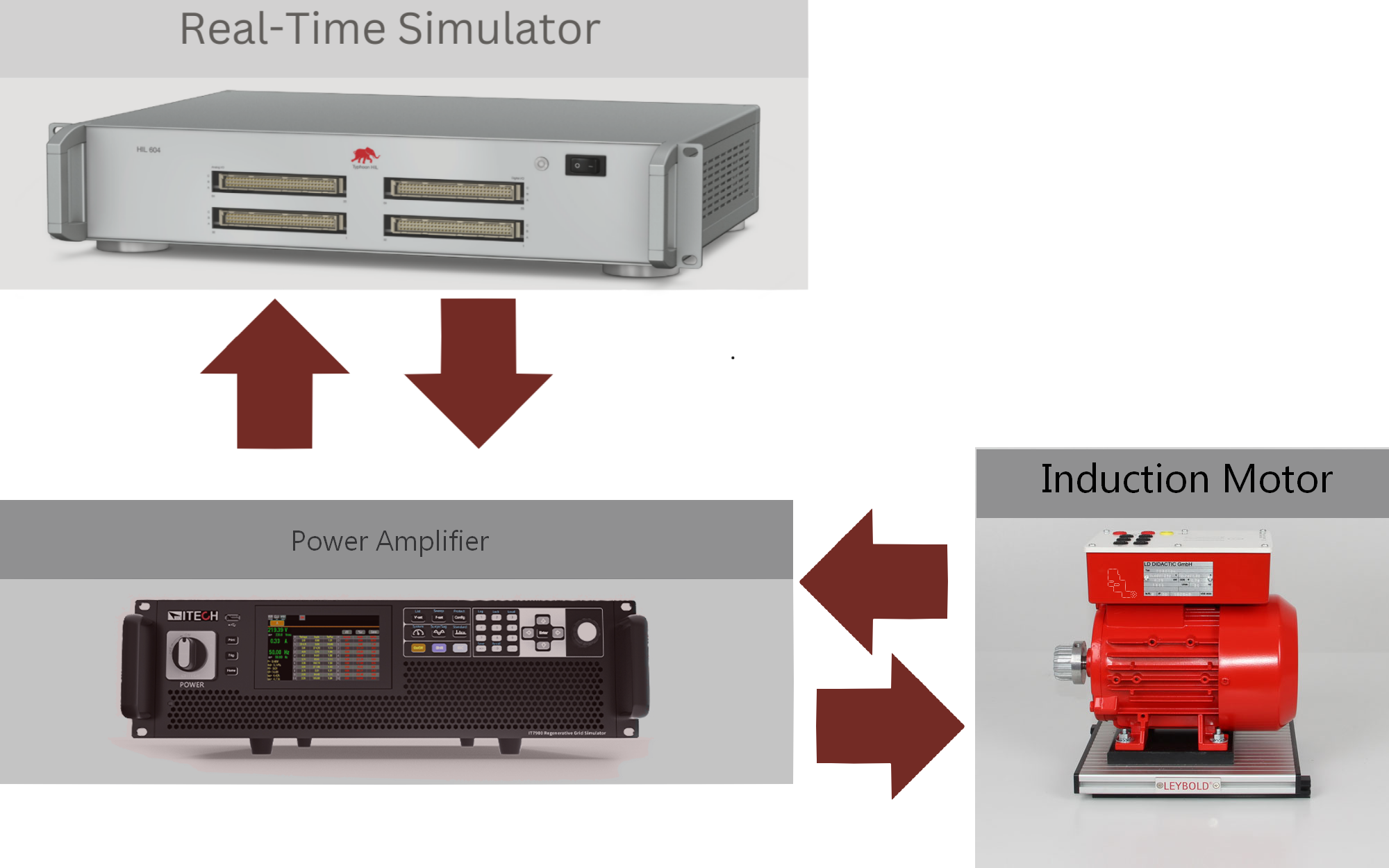
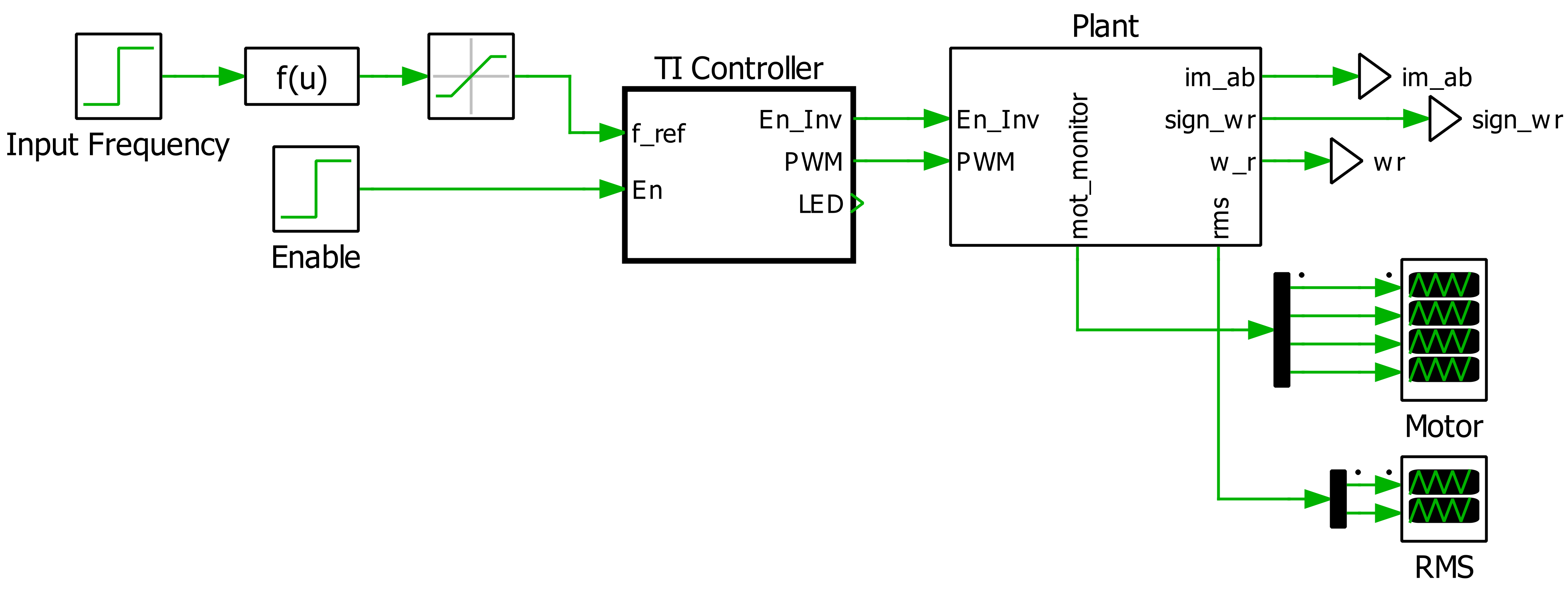
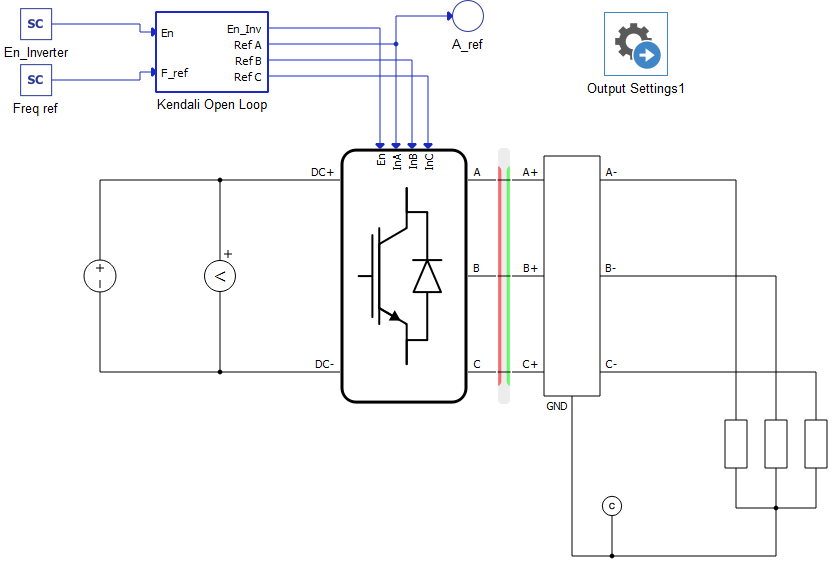
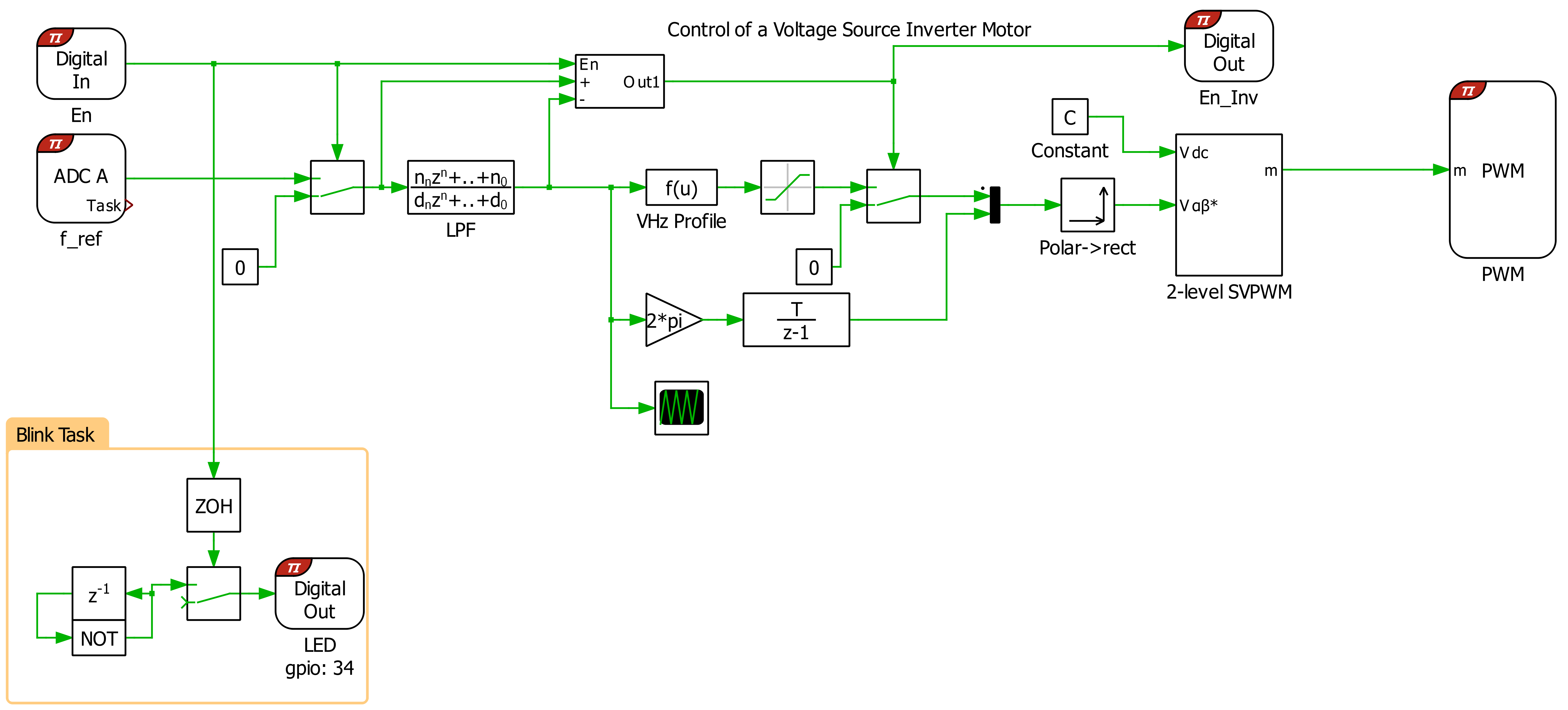
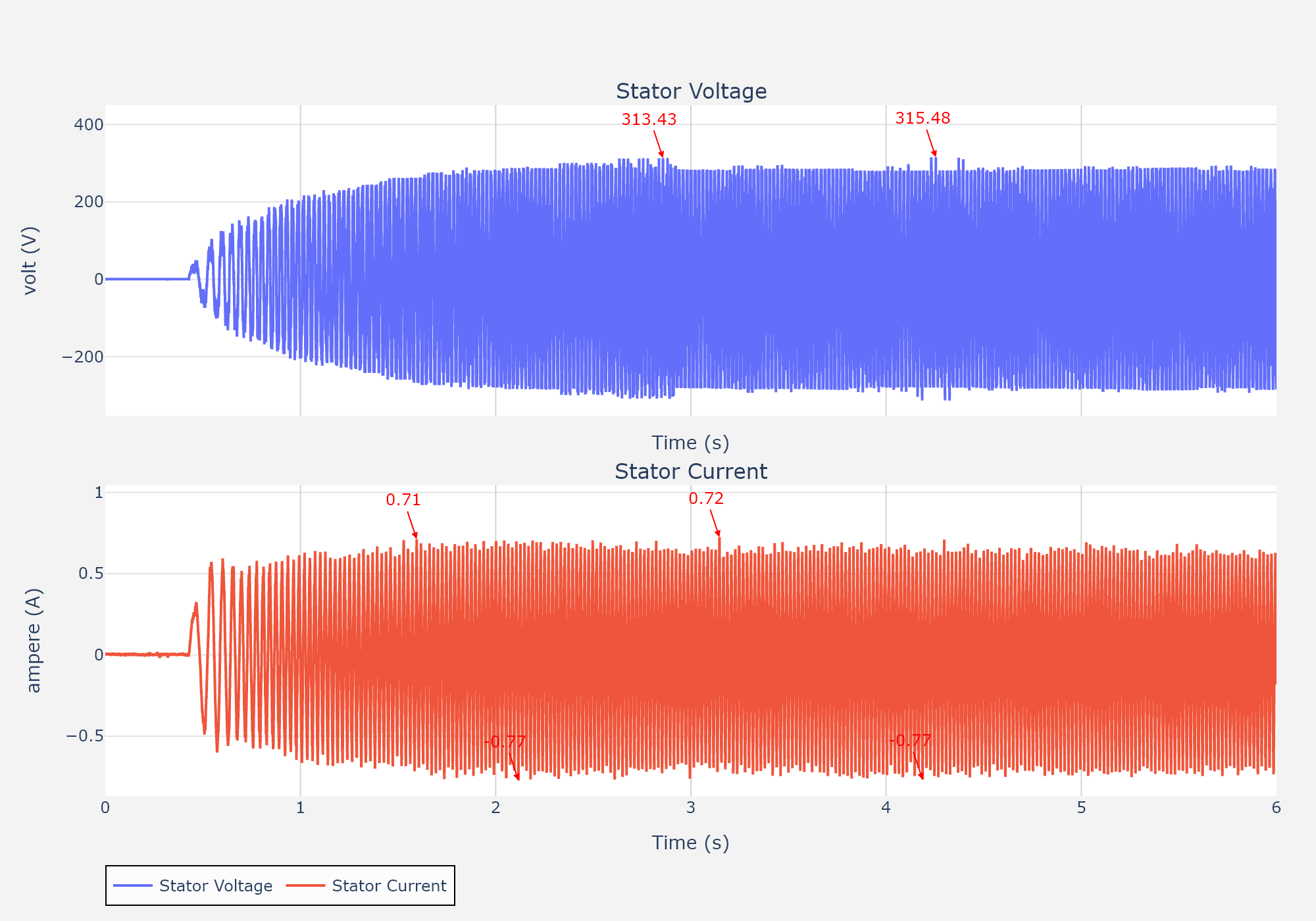
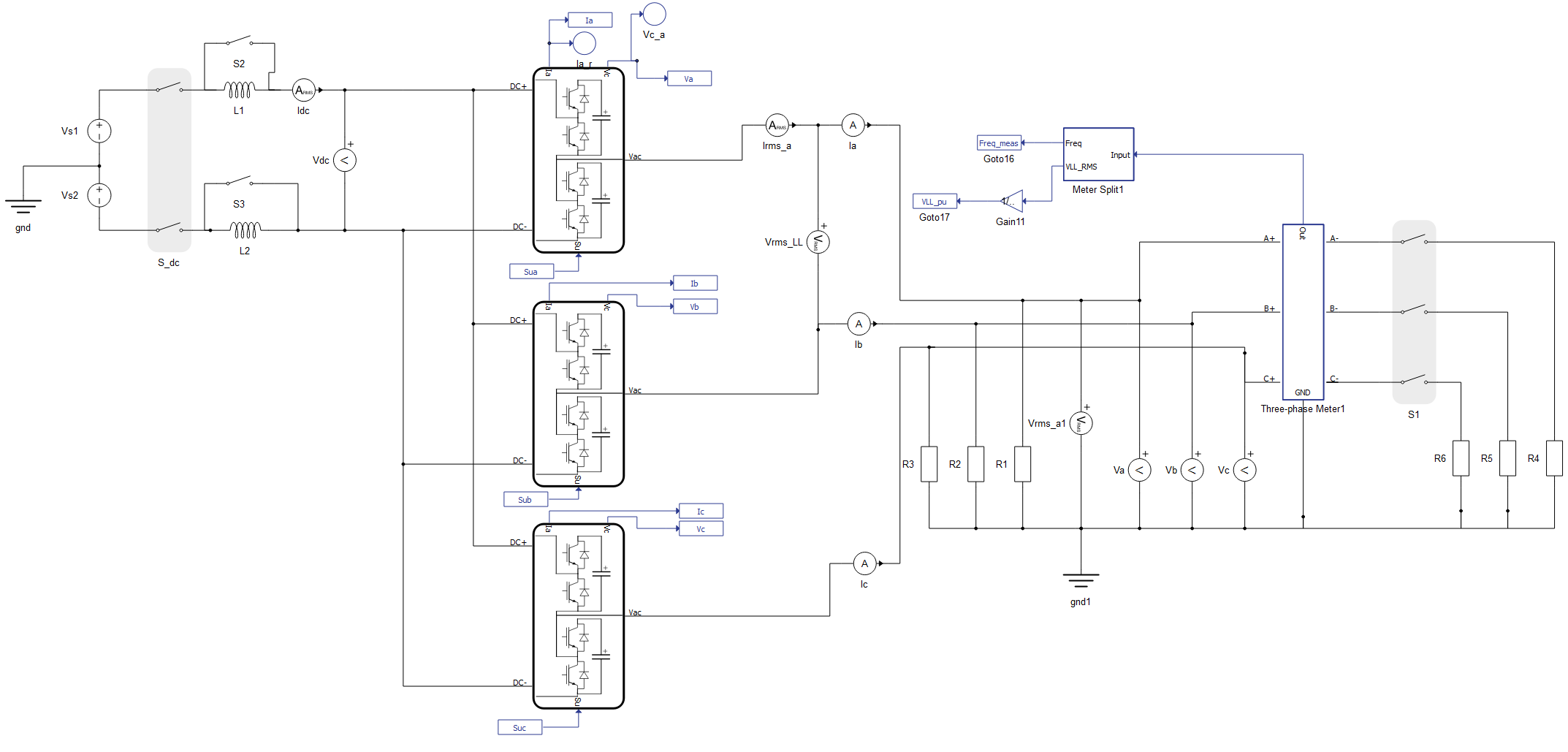
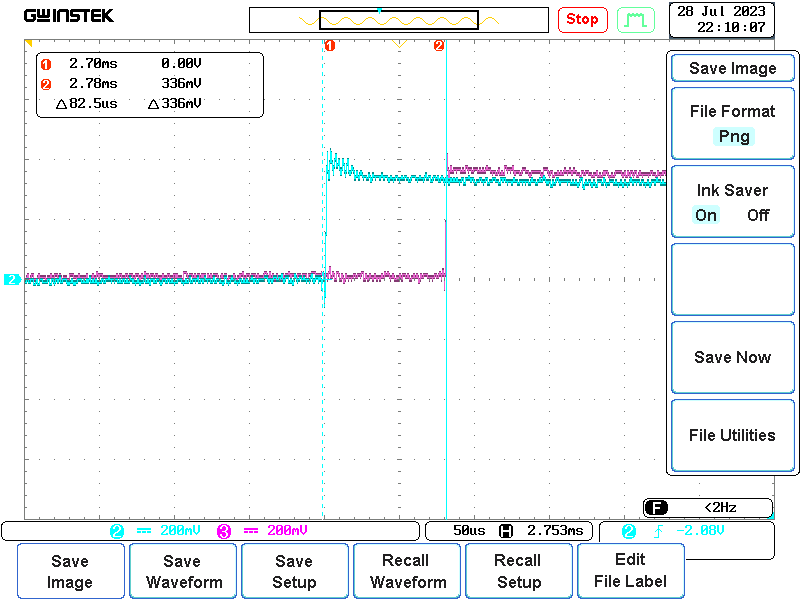
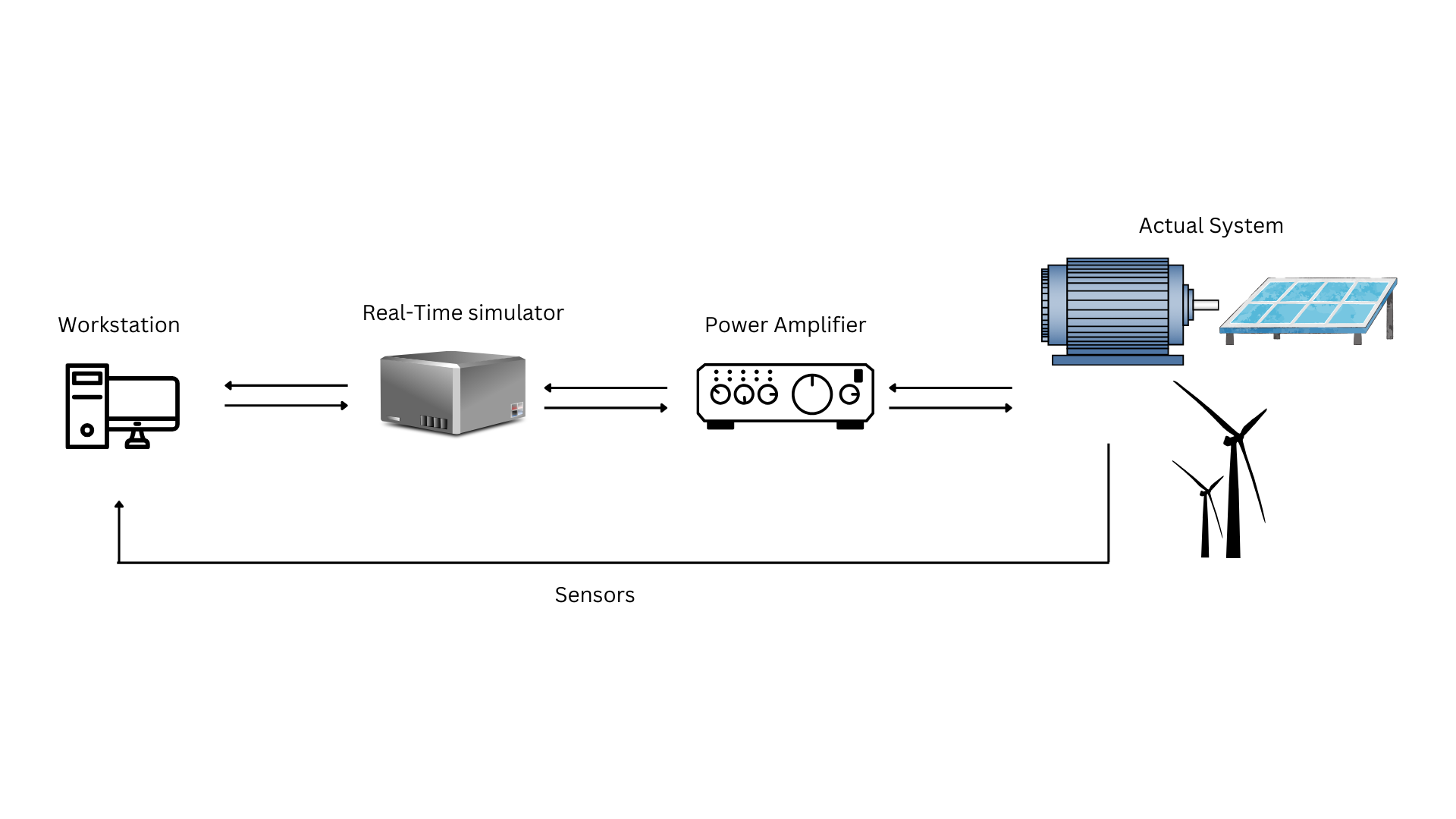
In the era of modern industry and the transition to sustainable energy, the use of In the transition to sustainable energy and modern industrial applications, three-phase inverters play a critical role in motor control, particularly in electric vehicles (EVs), renewable energy systems, and industrial automation. This project explores the implementation of three-phase inverter control using the Hardware-in-the-Loop (HIL) approach, which provides a realistic and accurate validation method. The study employs three HIL methodologies—Control Hardware-in-the-Loop (C-HIL), Power Hardware-in-the-Loop (P-HIL), and a combined Control and Power Hardware-in-the-Loop (CP-HIL) approach. Simulations and tests were conducted in PLECS and Typhoon HIL under both constant and variable frequency conditions to evaluate system performance.
The results demonstrate that the inverter system maintains high stability across frequency variations, validating the effectiveness of the V/f control algorithm. C-HIL testing confirms a fast and precise control response, while P-HIL testing verifies the inverter’s power performance under real-world conditions. The CP-HIL approach, integrating both control and power validation, provides the most comprehensive assessment of the inverter system. This study highlights that HIL-based testing, particularly CP-HIL, offers a highly accurate and efficient validation framework for developing more reliable and optimized three-phase inverter systems.
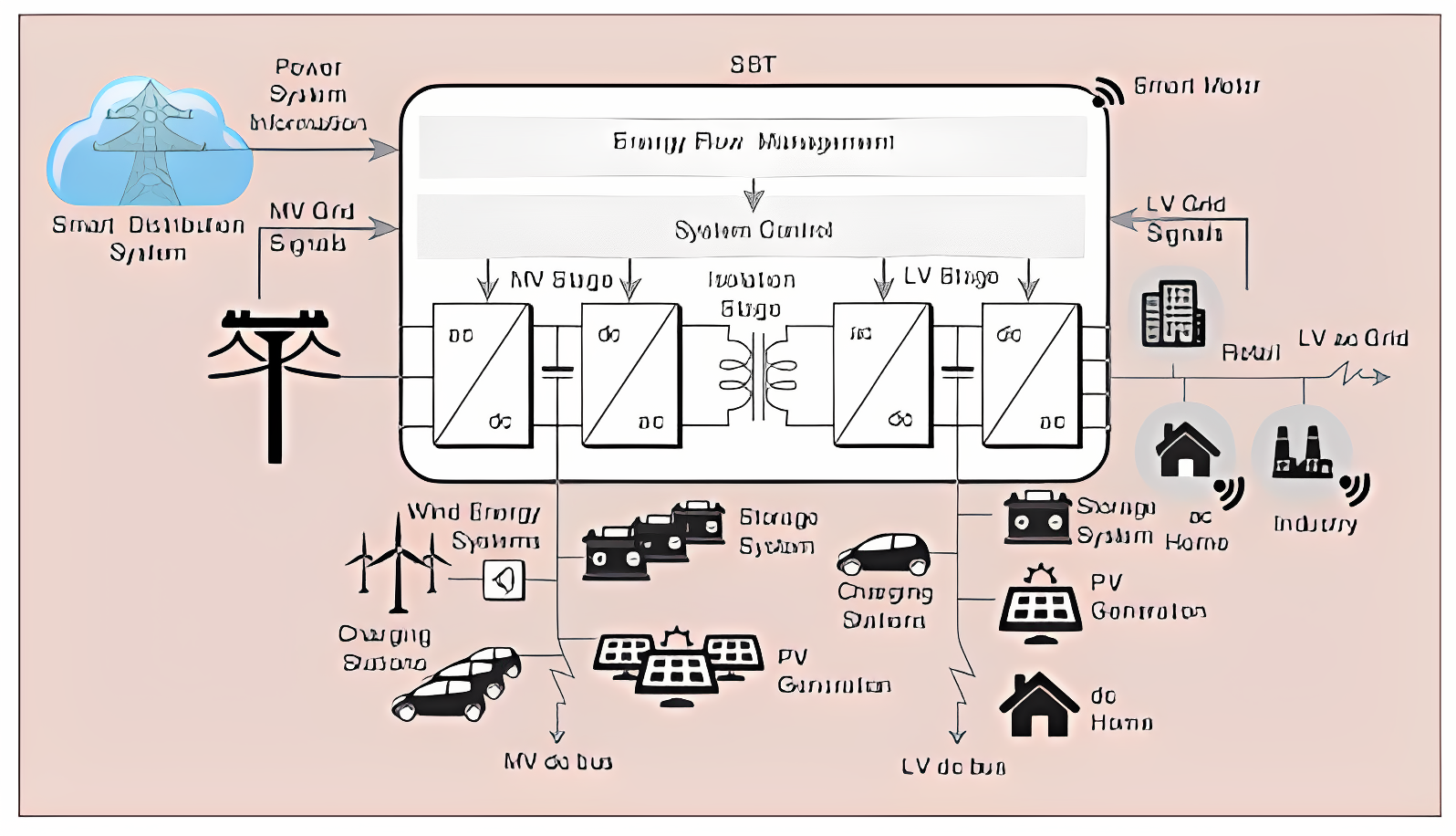
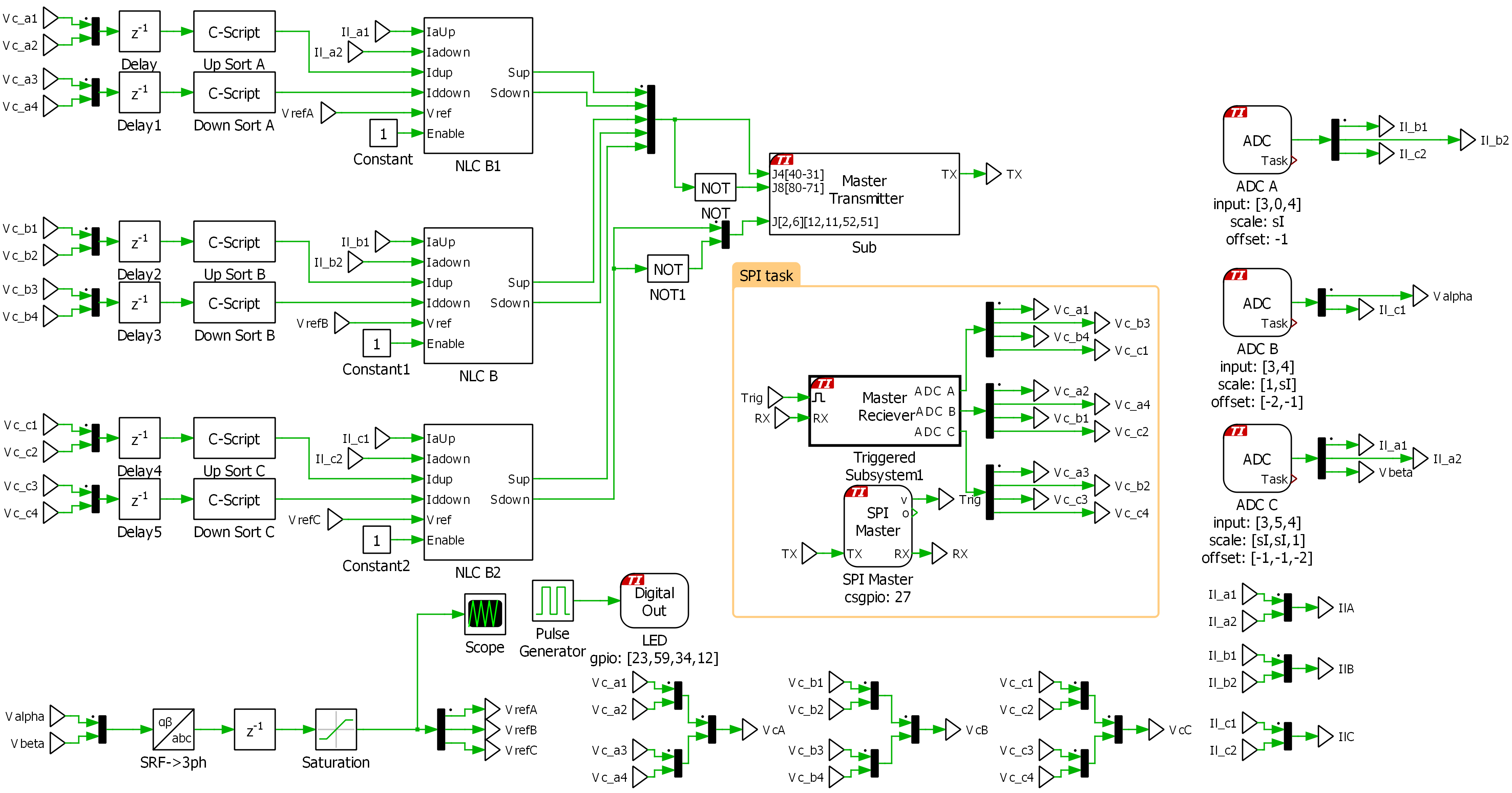
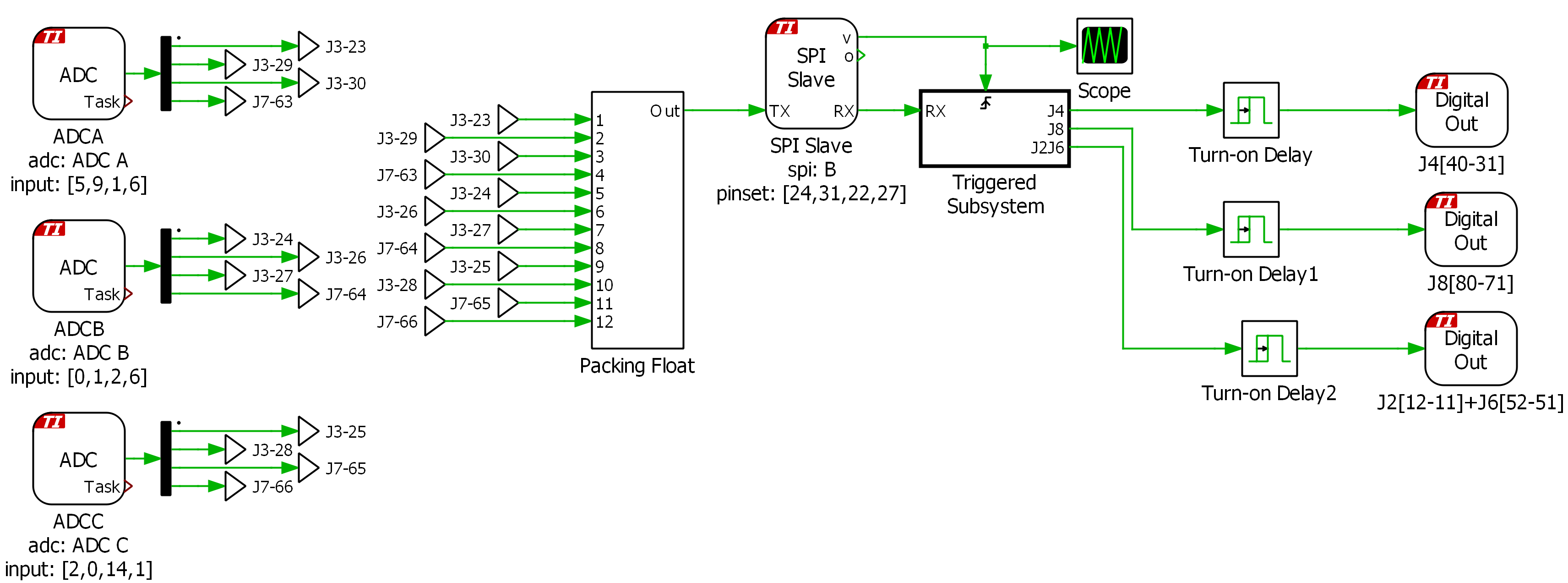
This project focuses on designing a low-level control system for a Modular-Multilevel Converter (MMC) using Nearest Level Control, Phase Disposition PWM, and Phase Shift PWM. The primary goal is to determine the most effective control method for this Solid-State Transformer (SST) design.
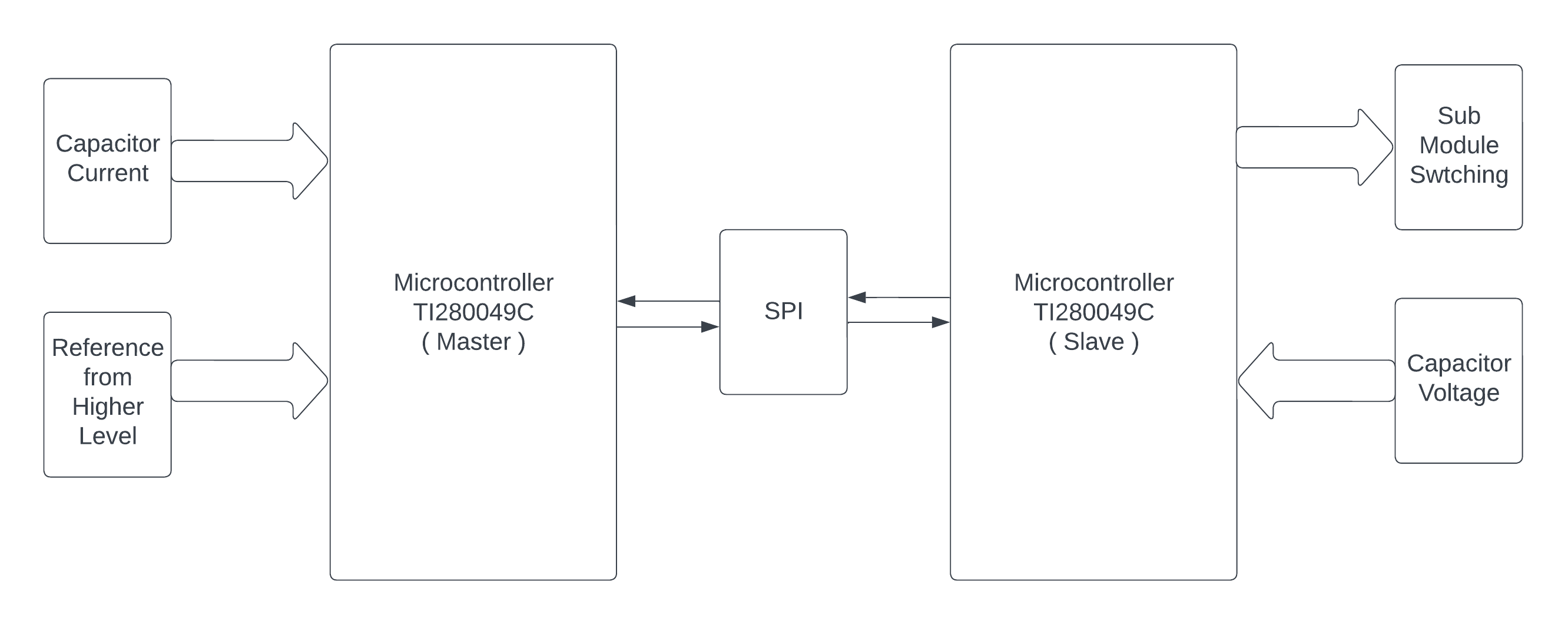
In addition, the project implements a capacitor balancing algorithm to ensure stable operation. Since MMC requires multiple gate drive signals for MOSFET switching, efficient communication between microcontrollers is essential. To achieve this, the project utilizes the SPI protocol, known for its high-speed data transmission, to facilitate seamless communication between microcontrollers.
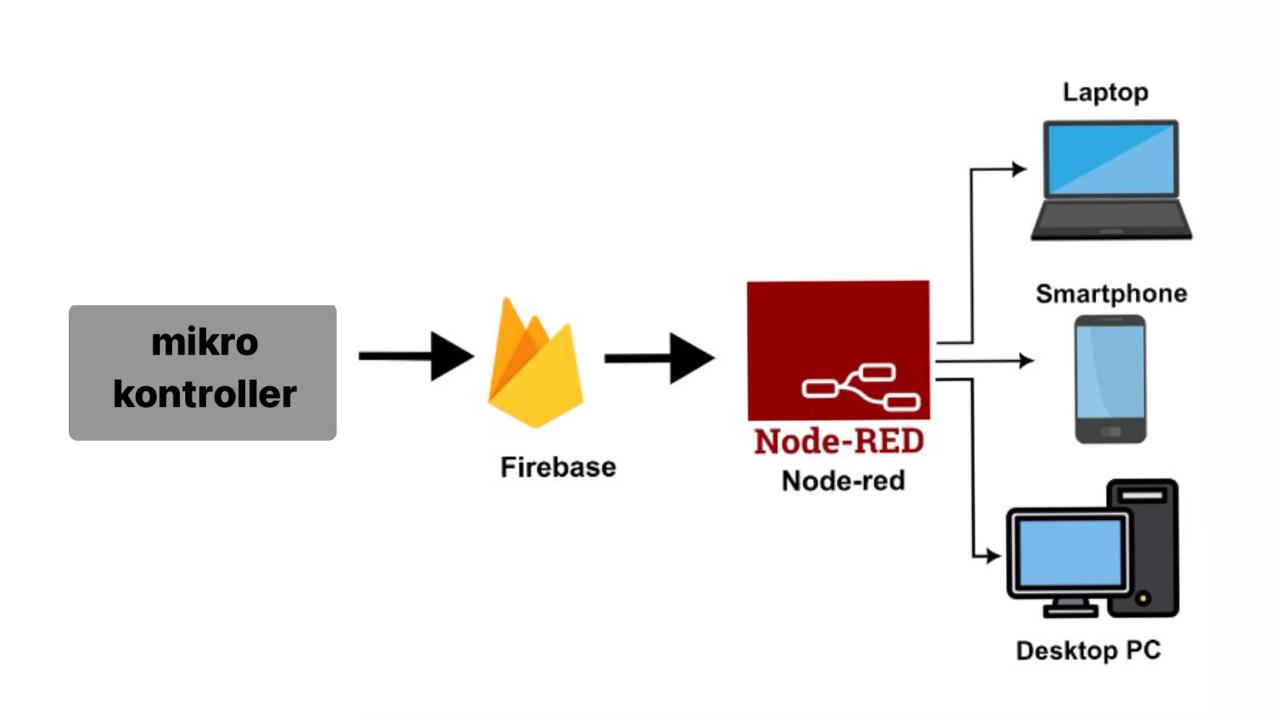
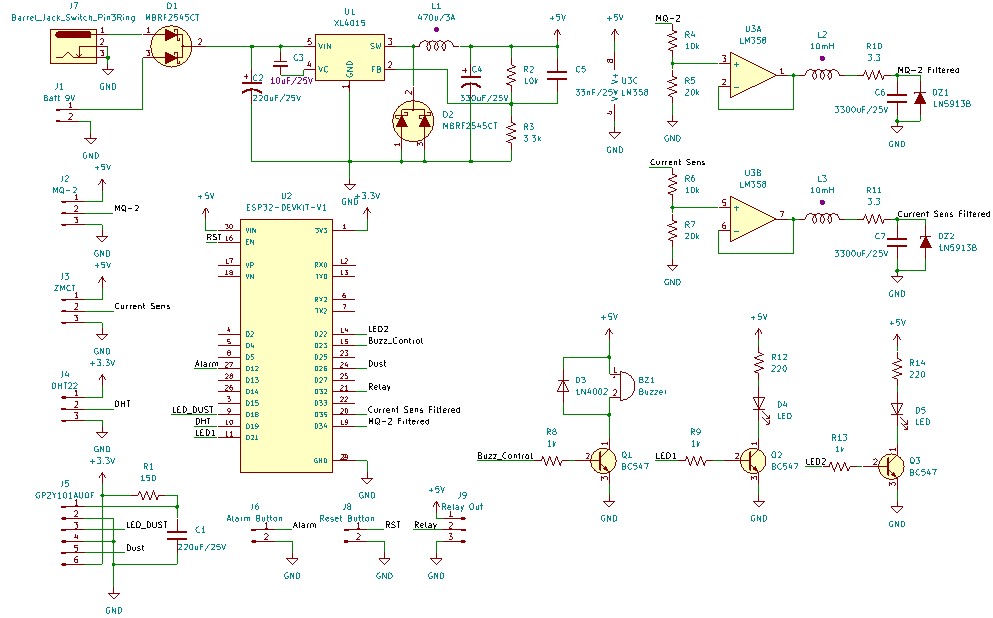
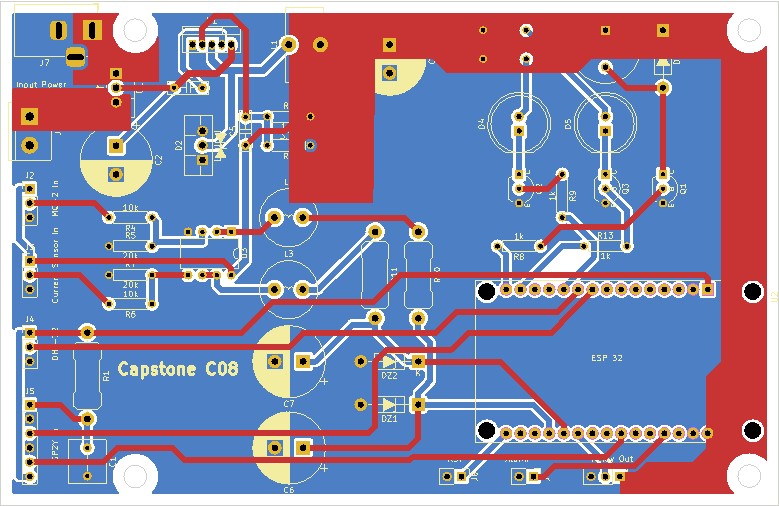
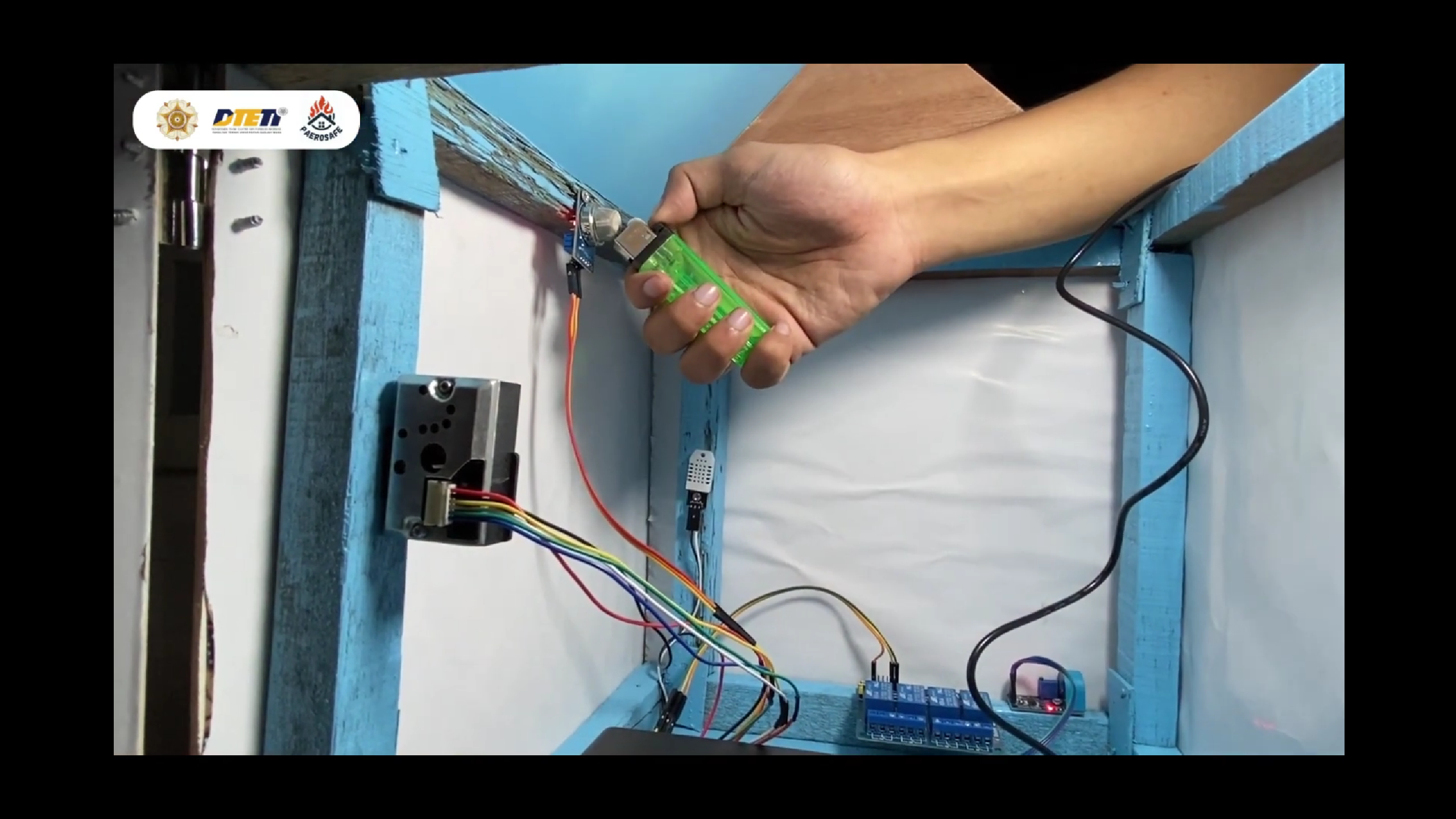
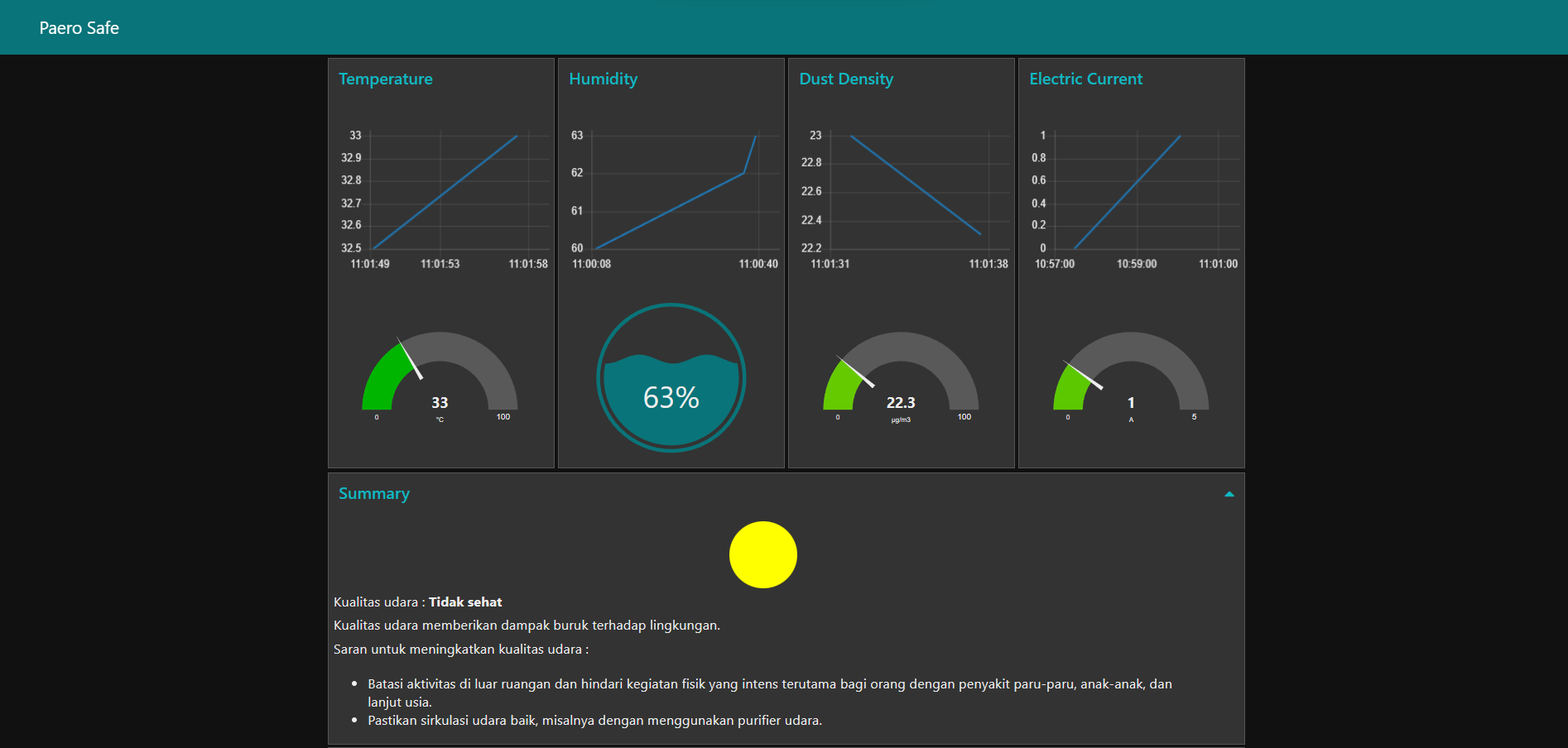
Paerosafe is an IoT-based smart home device designed to enhance household safety by detecting fire hazards and monitoring air quality. Fires in homes often result from electrical short circuits and gas leaks, while poor air quality is influenced by ventilation and cleanliness factors. Paerosafe integrates multiple sensors, including MQ2 for gas detection, DHT for temperature and humidity, ZMCT103C for AC current monitoring, and GP2Y1014AU0F for dust concentration measurement, all controlled by an ESP32 microcontroller. When a fire is detected based on abnormal temperature, gas levels, electrical current, or smoke particles, the system automatically cuts off the electric current using a relay to prevent further damage. The collected data and alerts are transmitted to a cloud-based database and user interface, allowing homeowners to monitor real-time conditions via the internet.
Beyond fire prevention, Paerosafe also serves as an air quality monitoring tool by assessing particulate matter (PM) levels and converting them into an Air Pollution Standard Index (ISPU) value. This enables users to track changes in air quality over time, raising awareness of environmental conditions and potential health risks. On a larger scale, widespread adoption of Paerosafe in Indonesia could significantly increase public awareness of air pollution and climate change, potentially influencing government policies on environmental management. By providing both immediate safety and long-term environmental insights, Paerosafe offers a comprehensive solution for improving home safety and fostering greater ecological responsibility.
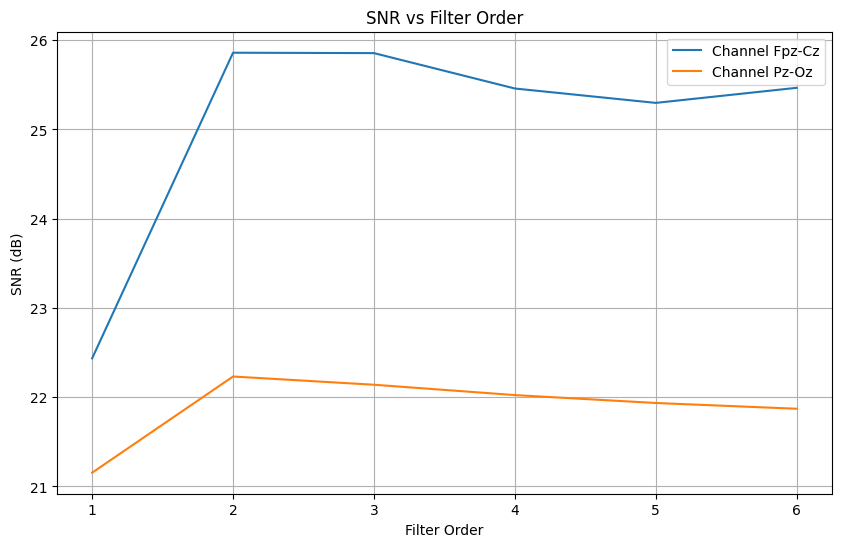
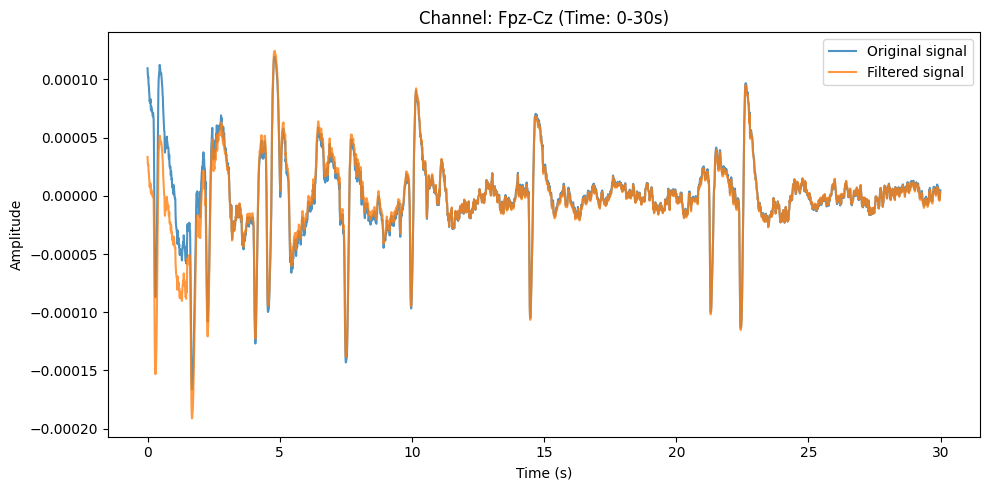
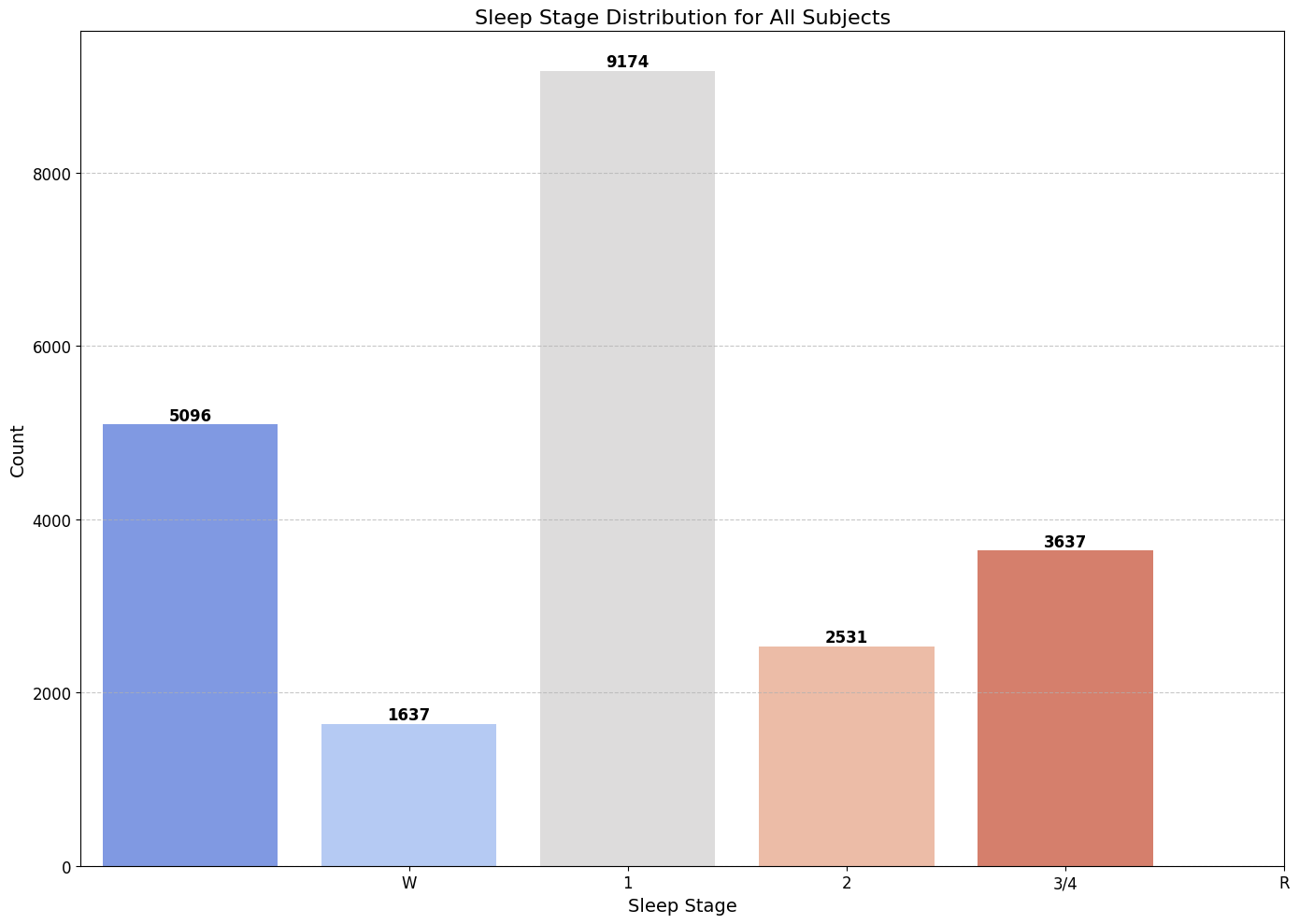
This project focuses on classifying sleep stages using EEG data from Fpz-Cz and Pz-Oz channels. The process begins with data preprocessing, where a Butterworth filter (0.1 Hz to 50 Hz) is applied and tested across filter orders from 1 to 10 to optimize the signal-to-noise ratio (SNR). After filtering, key features are extracted from the EEG signals to identify sleep stages. The extracted features then undergo a selection process to enhance classification performance and reduce computational complexity.
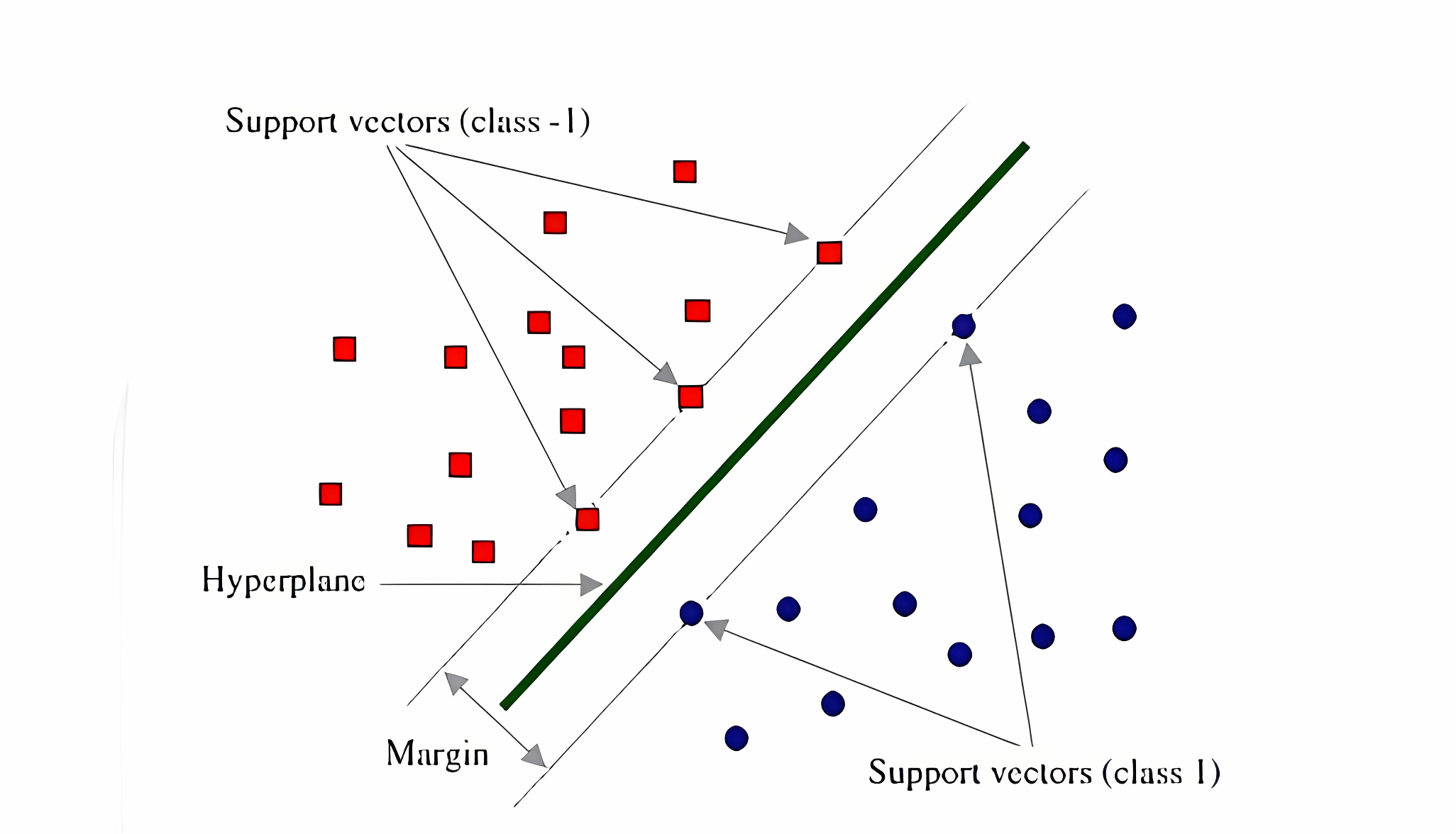
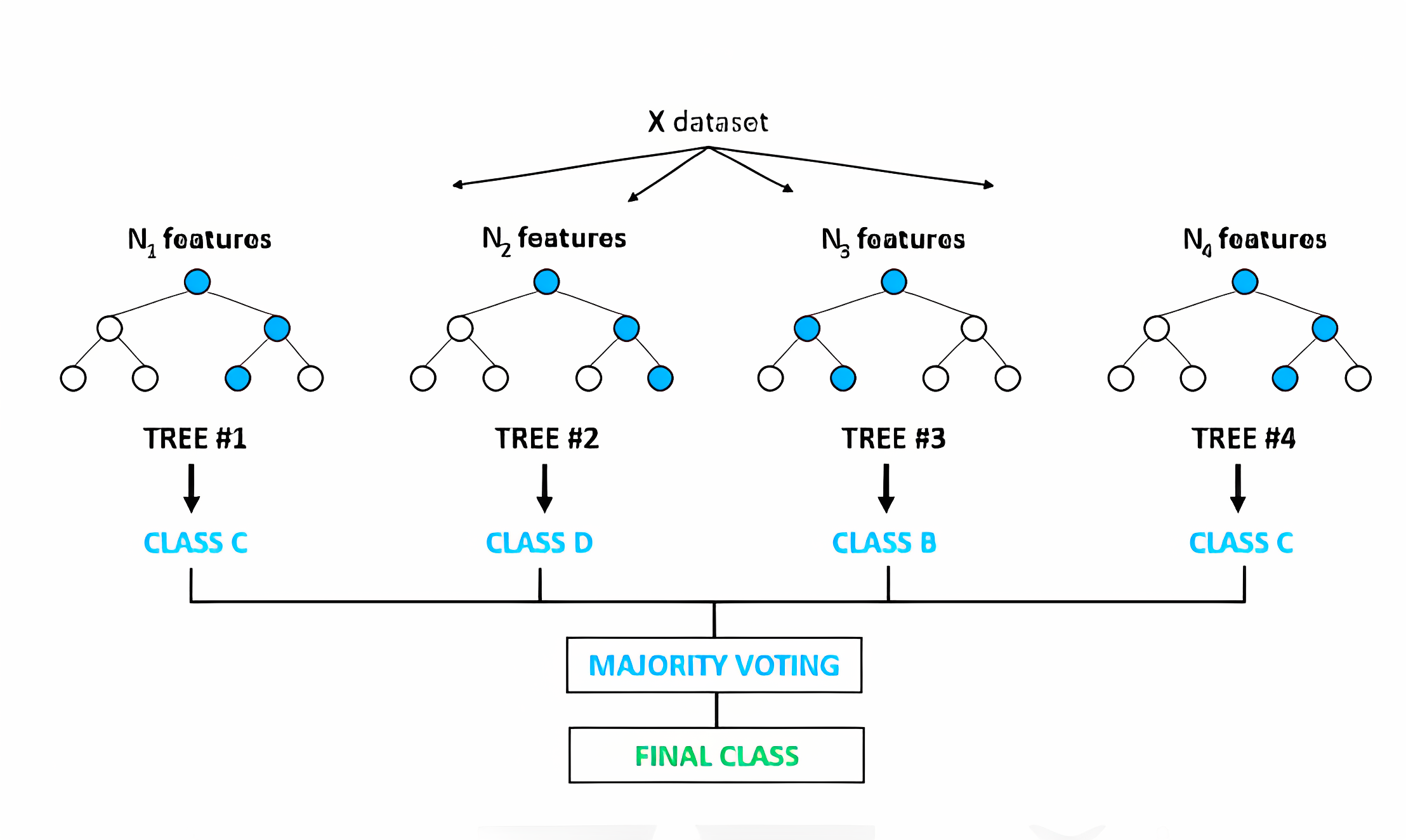
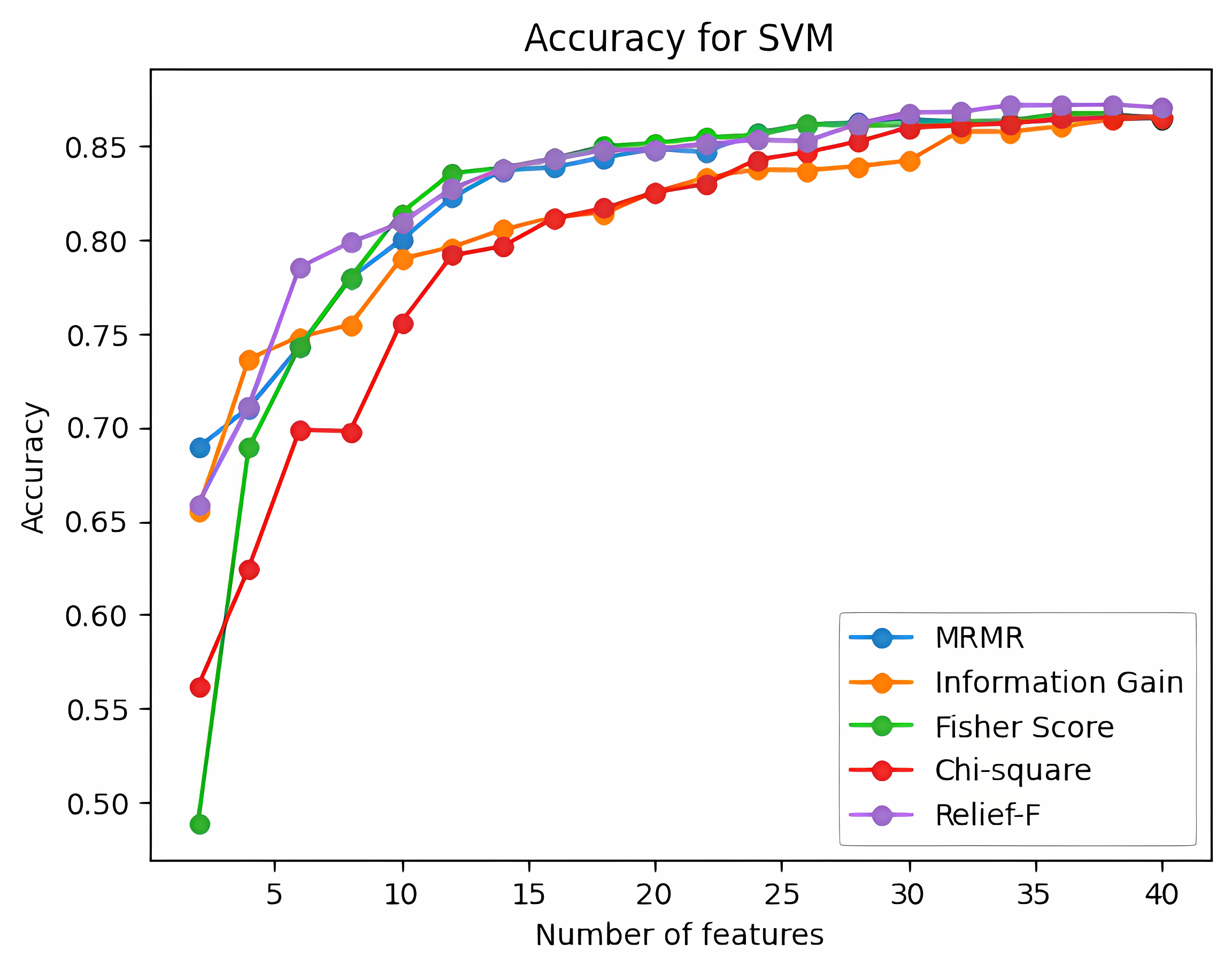
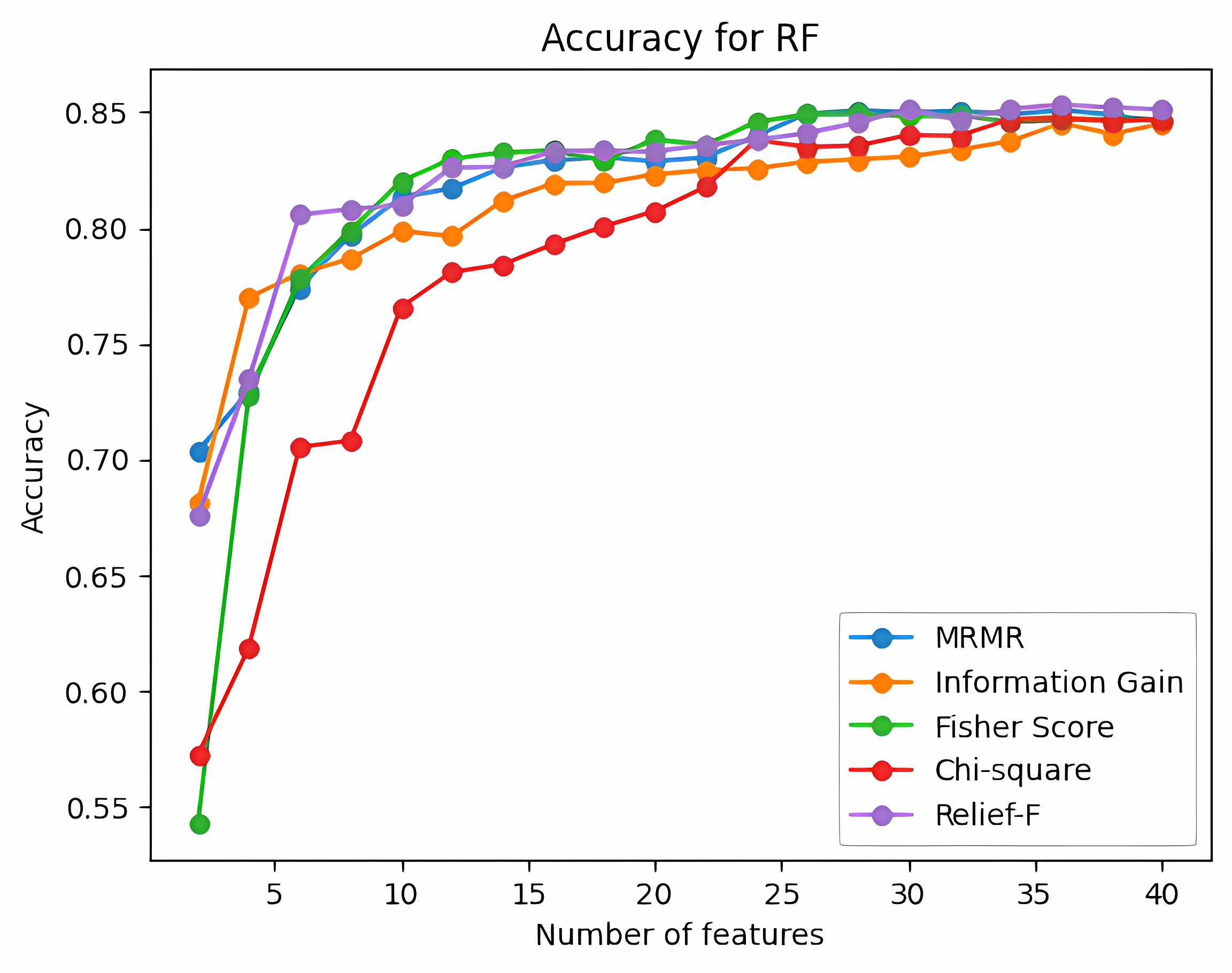
Feature selection is performed using multiple techniques, including MRMR, Information Gain, Fisher Score, Chi-Square, and Relief-F. The selected features, ranging from 2 to 40 out of 56 extracted features, are then used for sleep stage classification. Support Vector Machine (SVM) and Random Forest algorithms are employed to evaluate classification accuracy. By optimizing preprocessing, feature selection, and classification methods, this project aims to improve the reliability and efficiency of sleep stage classification using machine learning.
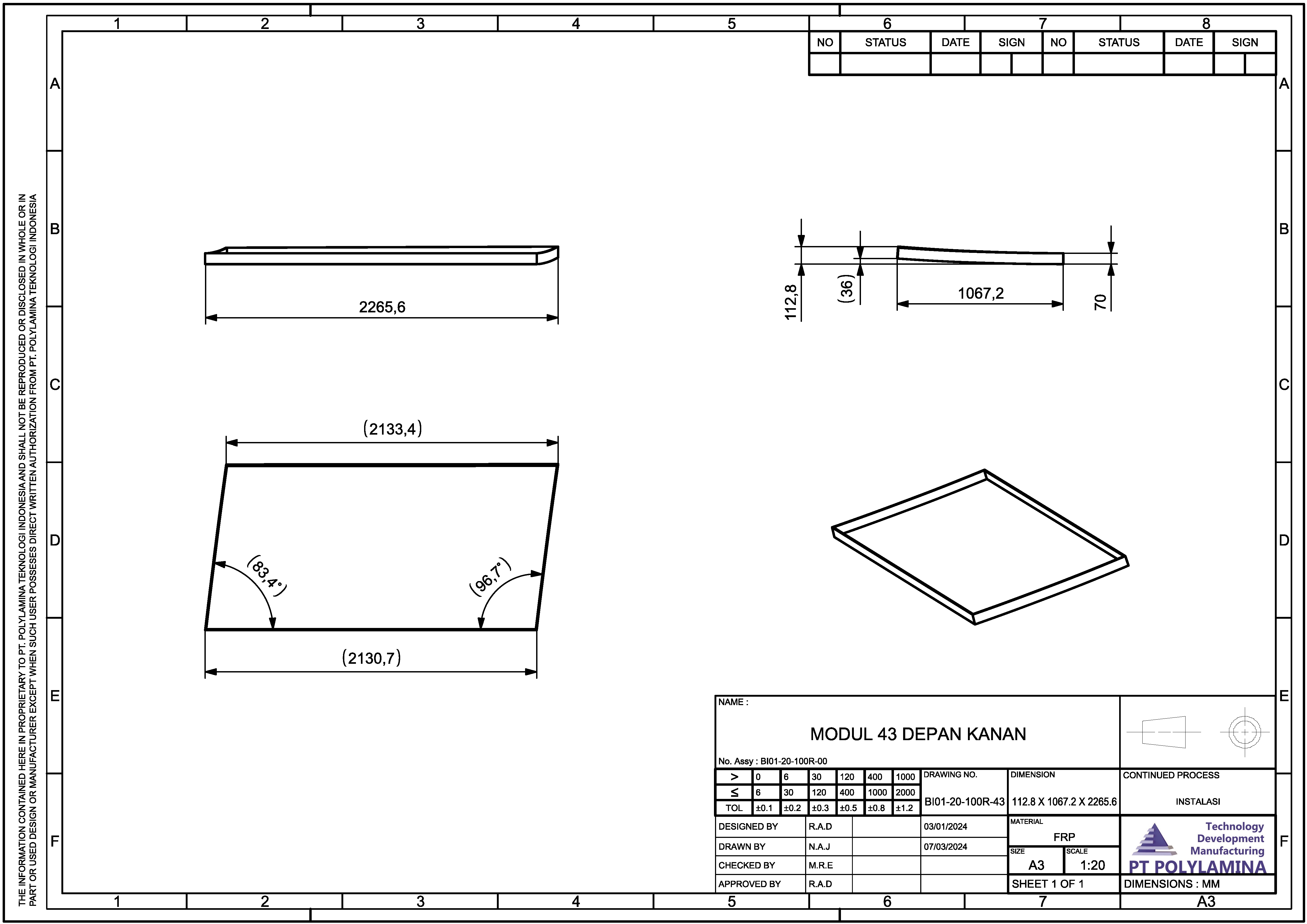
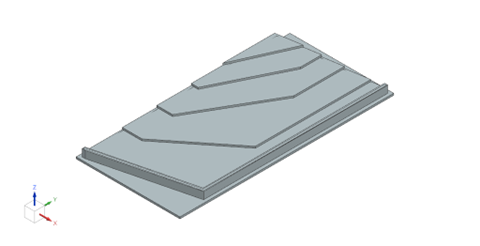
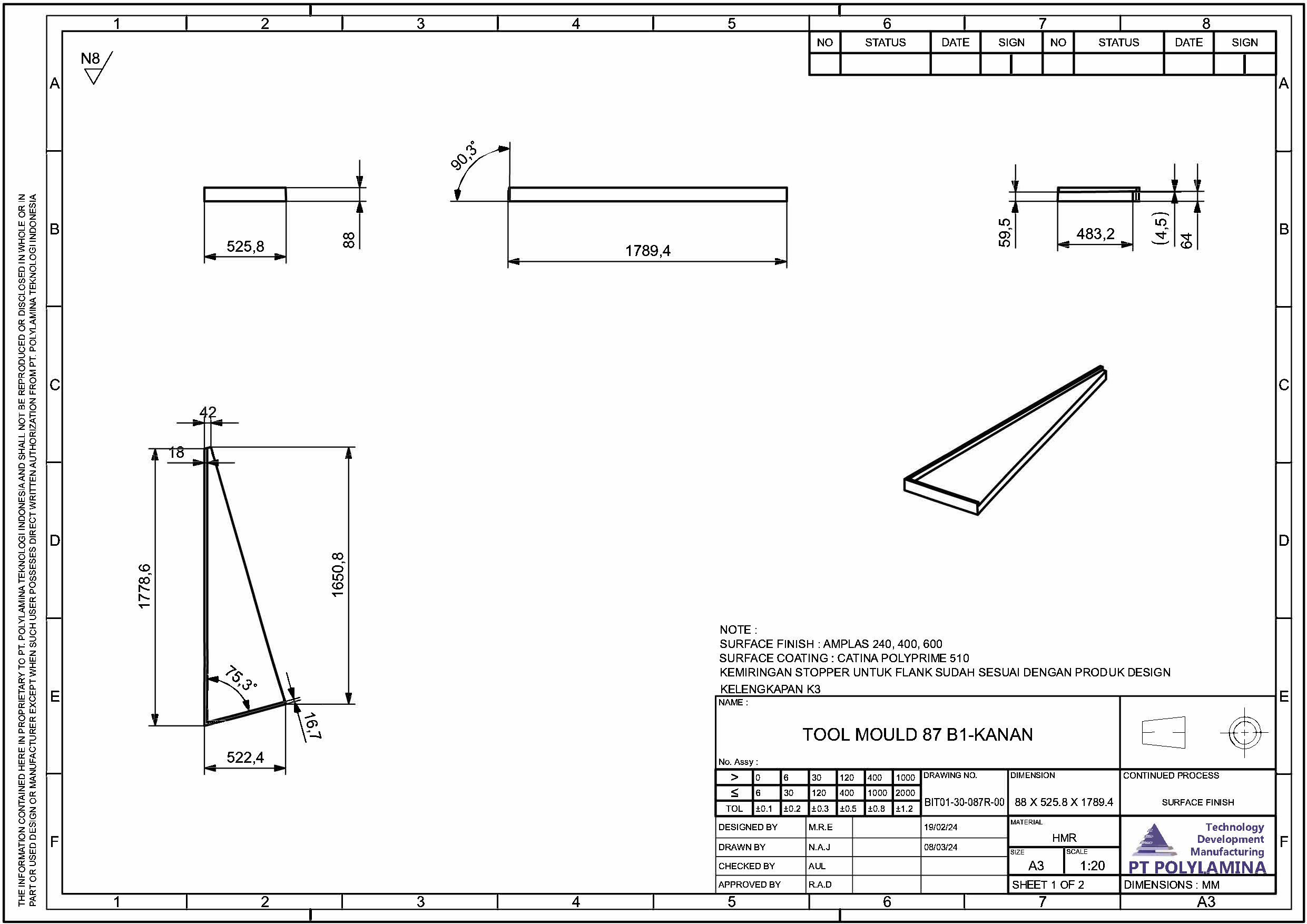
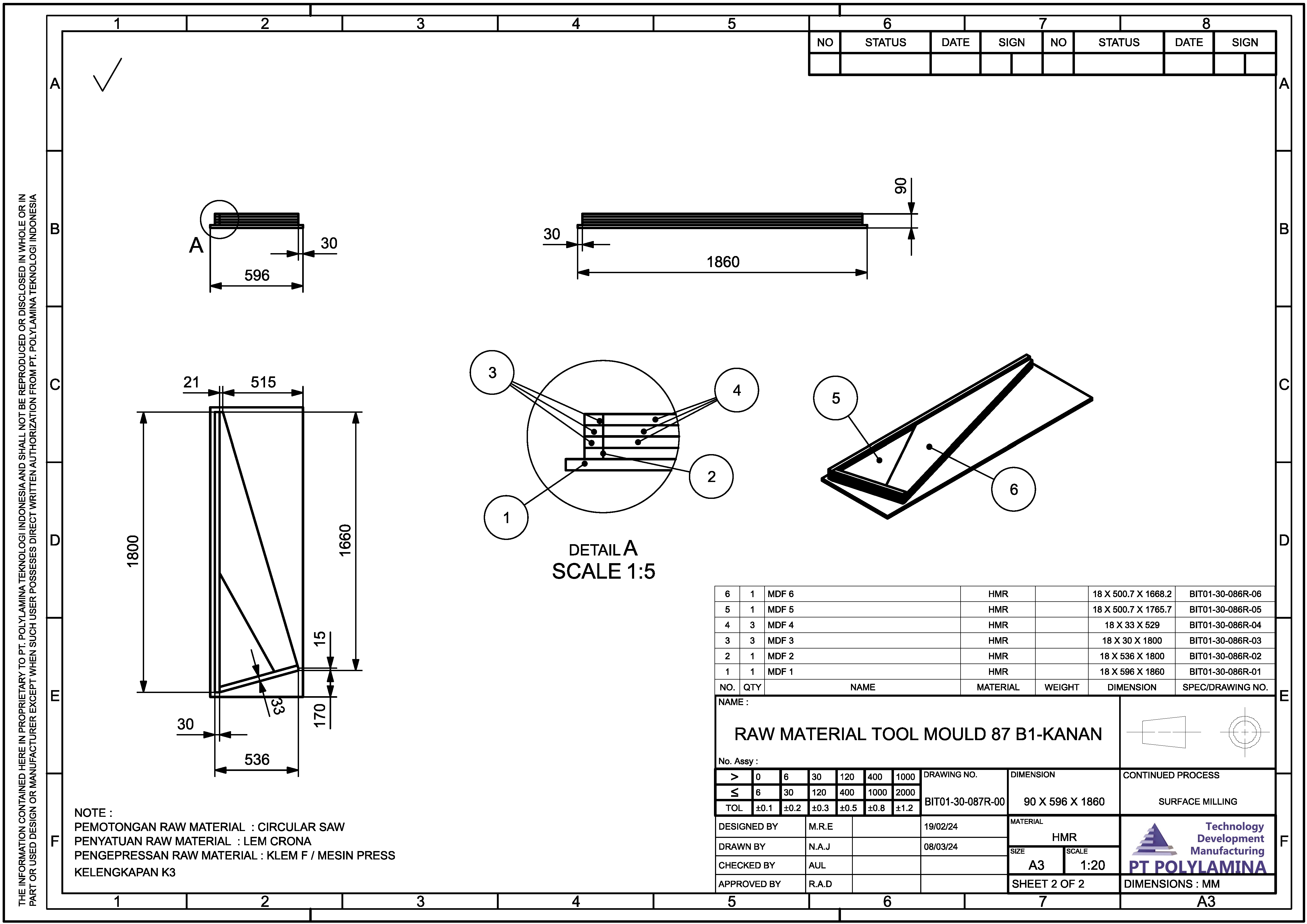
This project focuses on designing and manufacturing a mold for Fiber Reinforced Polymer (FRP) production. The process begins with developing a 3D mold based on the product design, ensuring it meets the required specifications for fabrication. Once the mold design is complete, raw material preparation is initiated. A draft of both the mold and raw material specifications is then sent to the production sector for further processing.
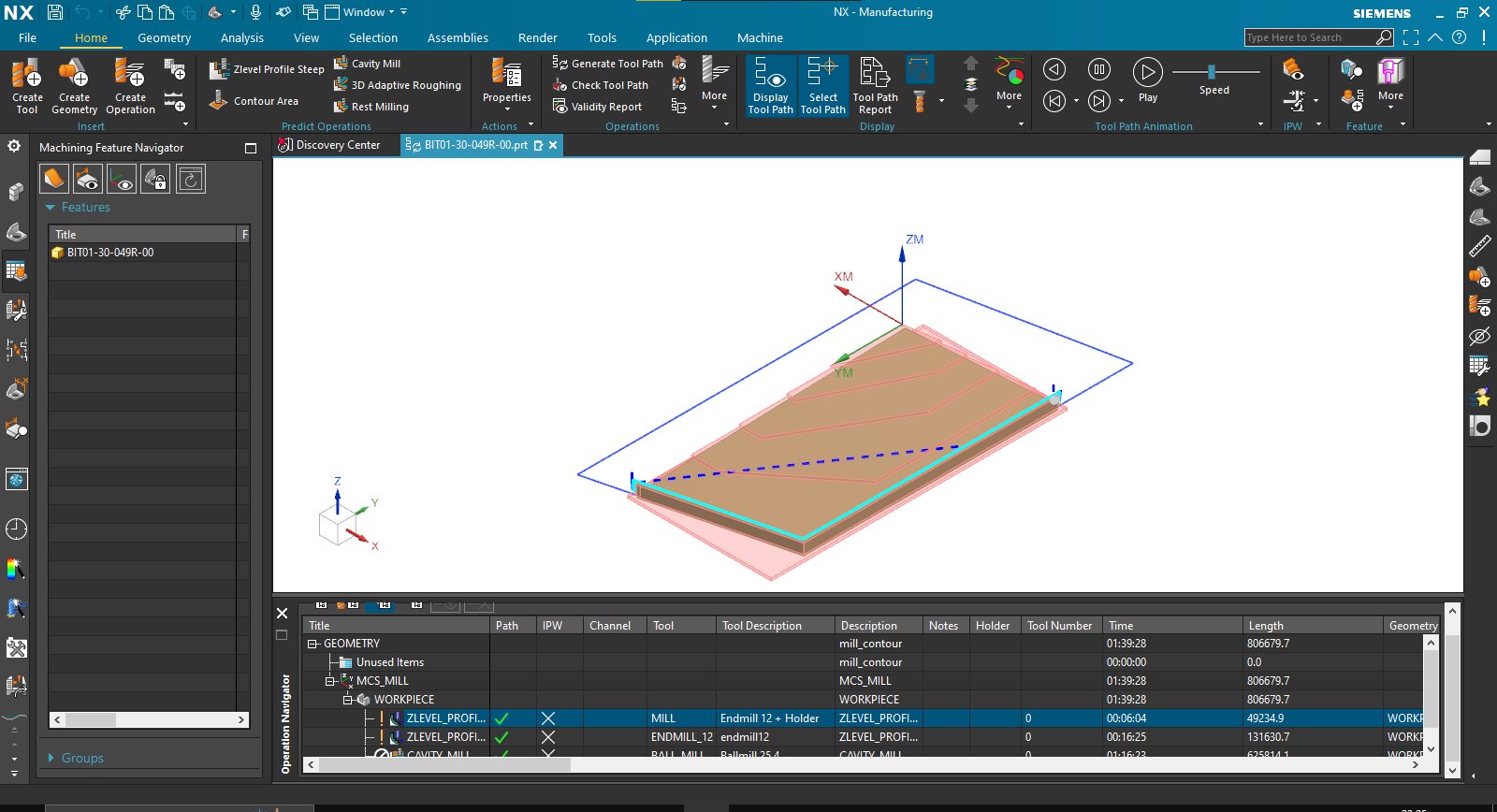
In the manufacturing phase, Computer Numerical Control (CNC) machining is programmed using NX Siemens software. This includes generating toolpaths for Z-level profiling and contouring to achieve the desired surface quality. By integrating precise 3D modeling and advanced CNC programming, this project ensures efficient and accurate mold production for FRP manufacturing.
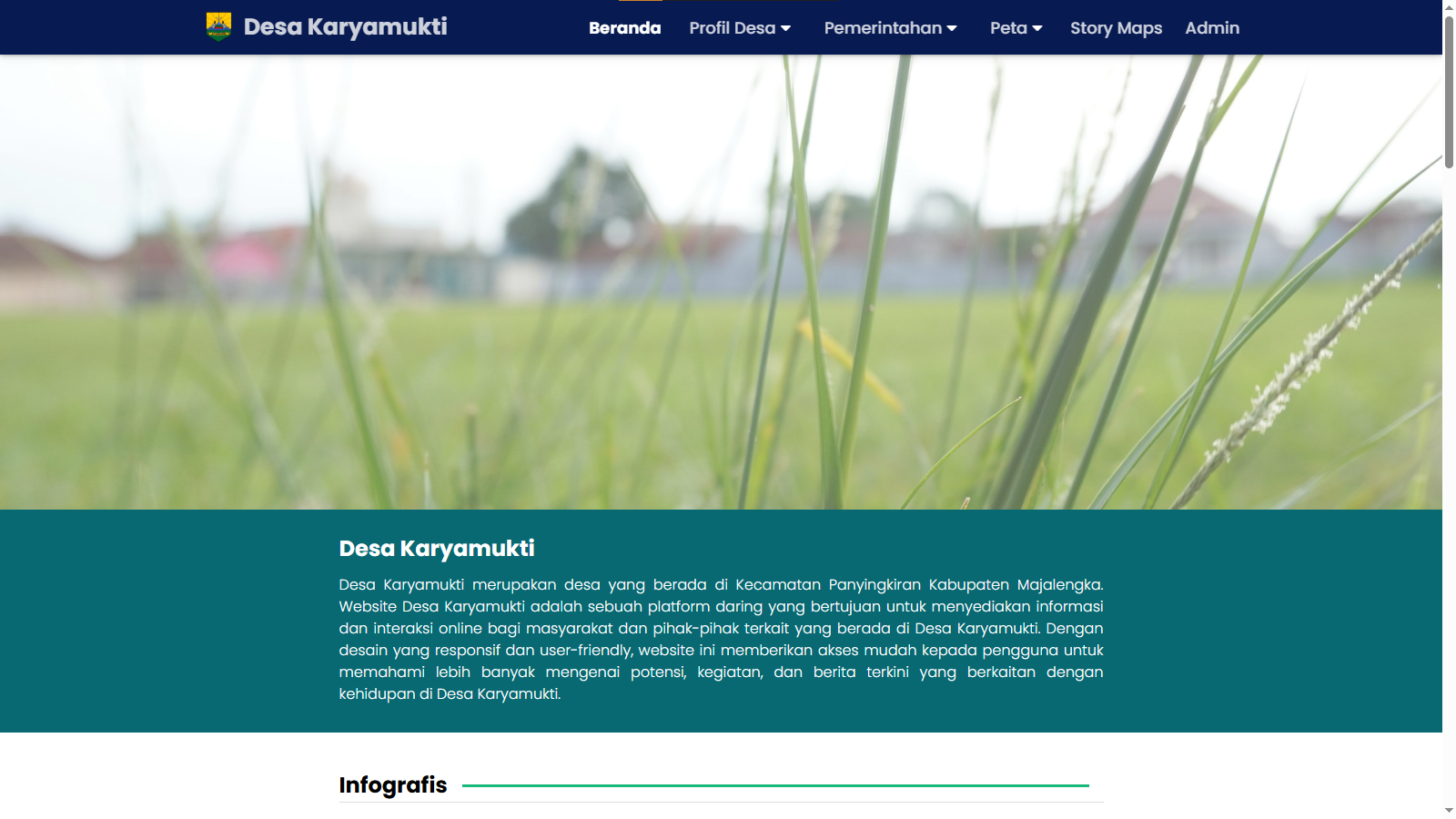
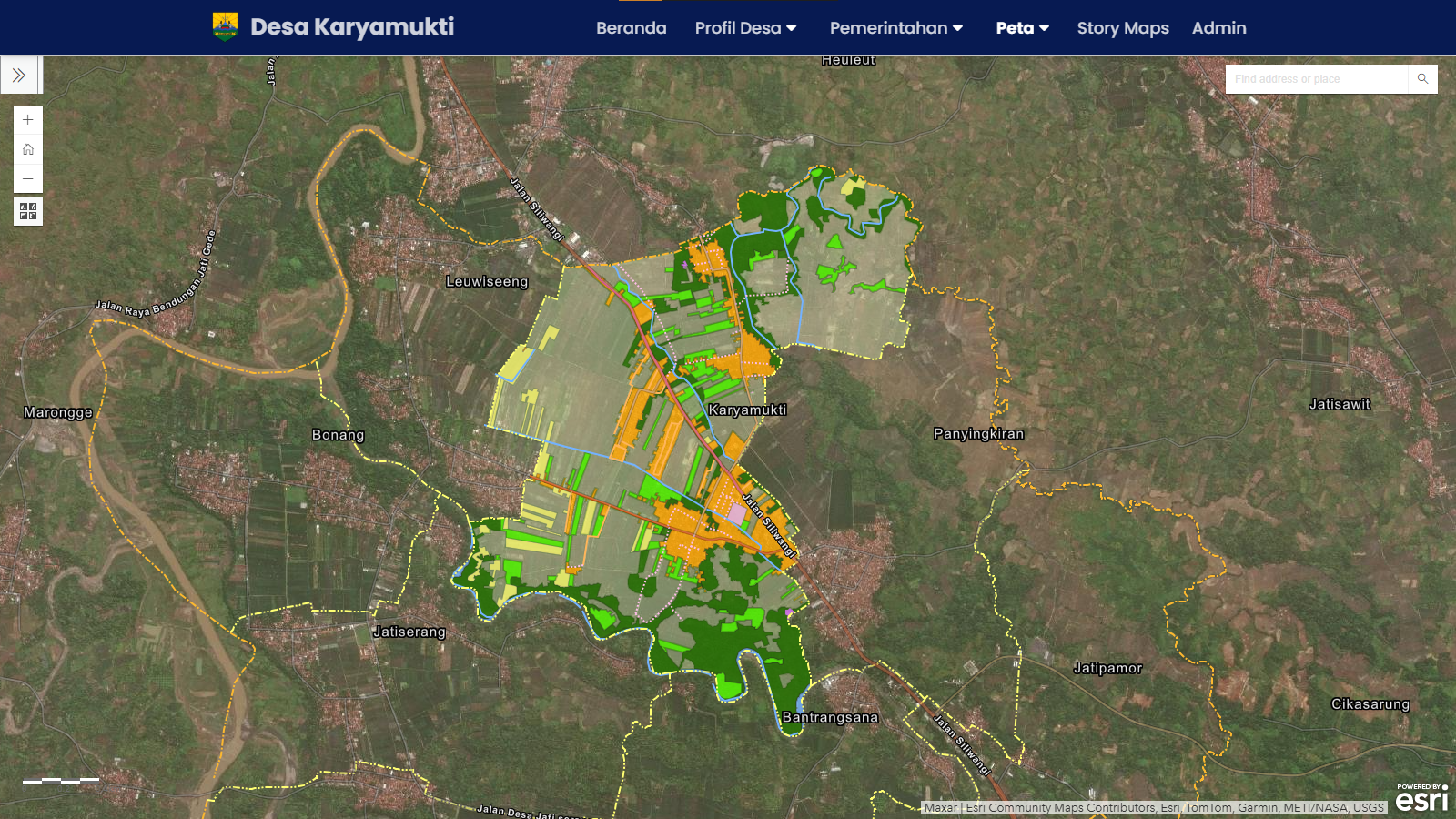
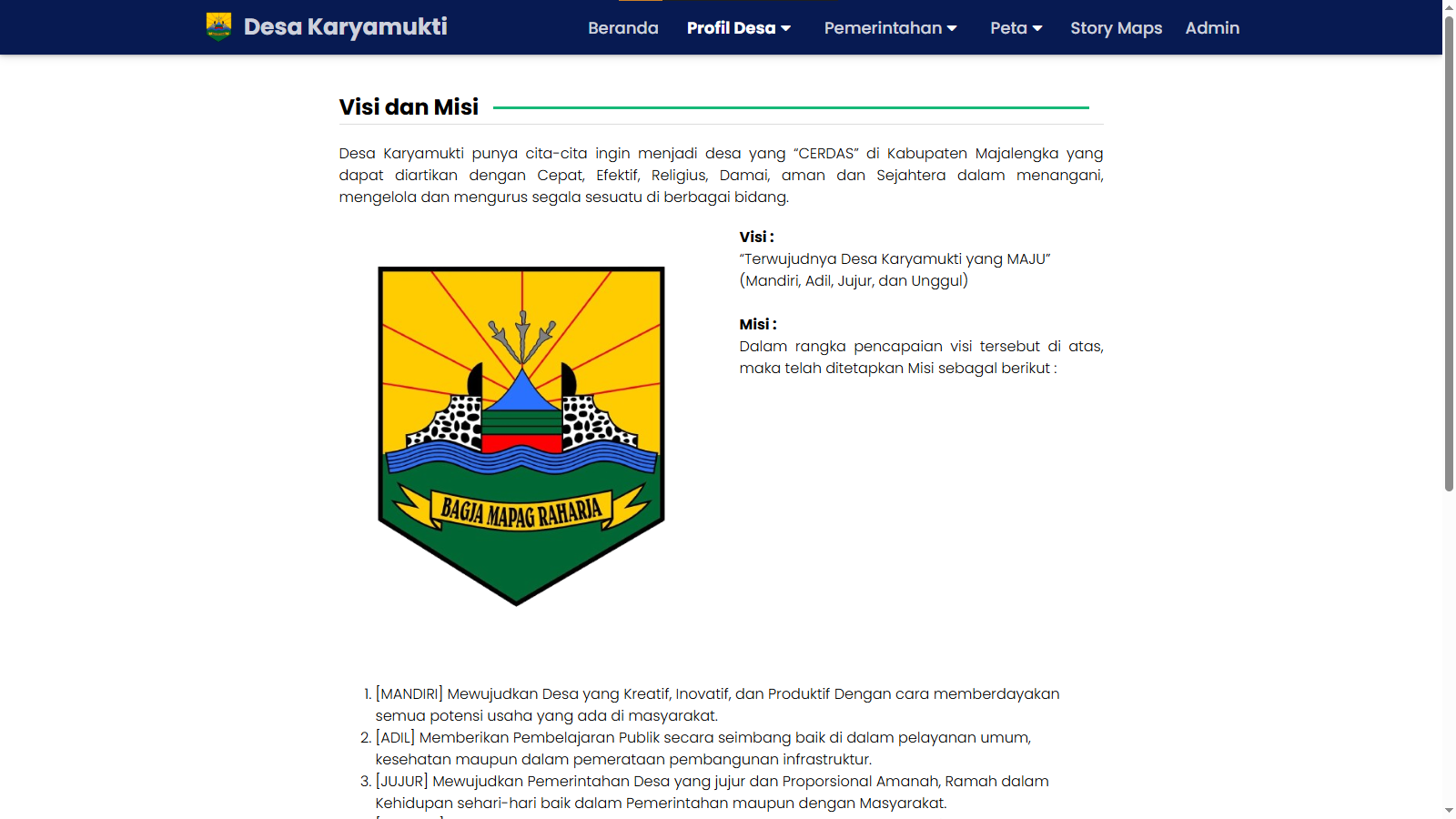
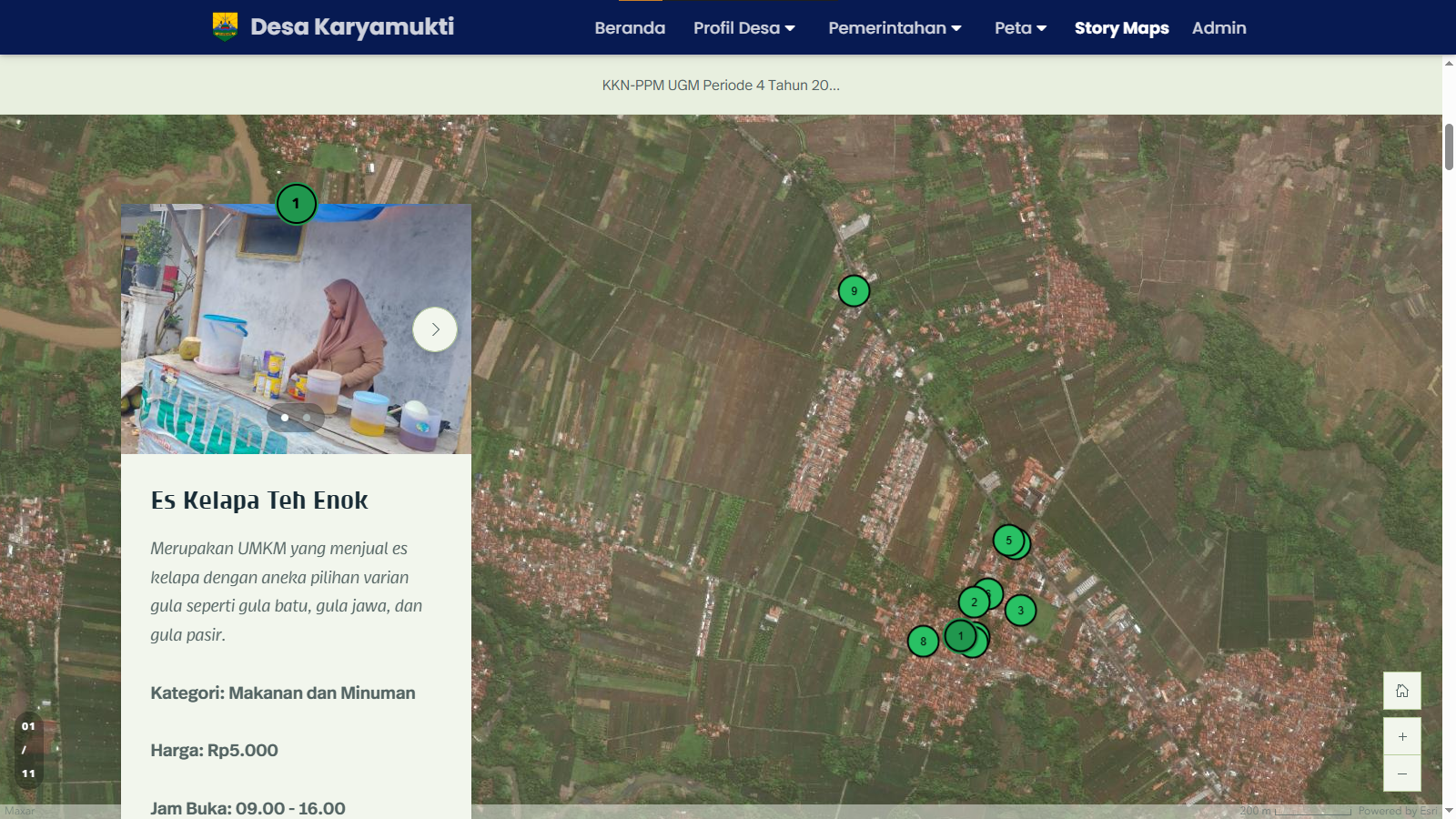
This project is a website dedicated to introducing the village of Karyamukti. The website provides comprehensive information about the village, including its vision and mission, historical background, and geographical and geological conditions. Additionally, it features details about the village government and local institutions.
To enhance user engagement, the website includes interactive story maps showcasing Karyamukti’s unique culinary offerings. It also provides maps related to land cover and usage, groundwater distribution, and RT RW (spatial planning) administration. This platform serves as an informative and visually engaging resource for both residents and visitors.
Fill up the form below to send me a message.